
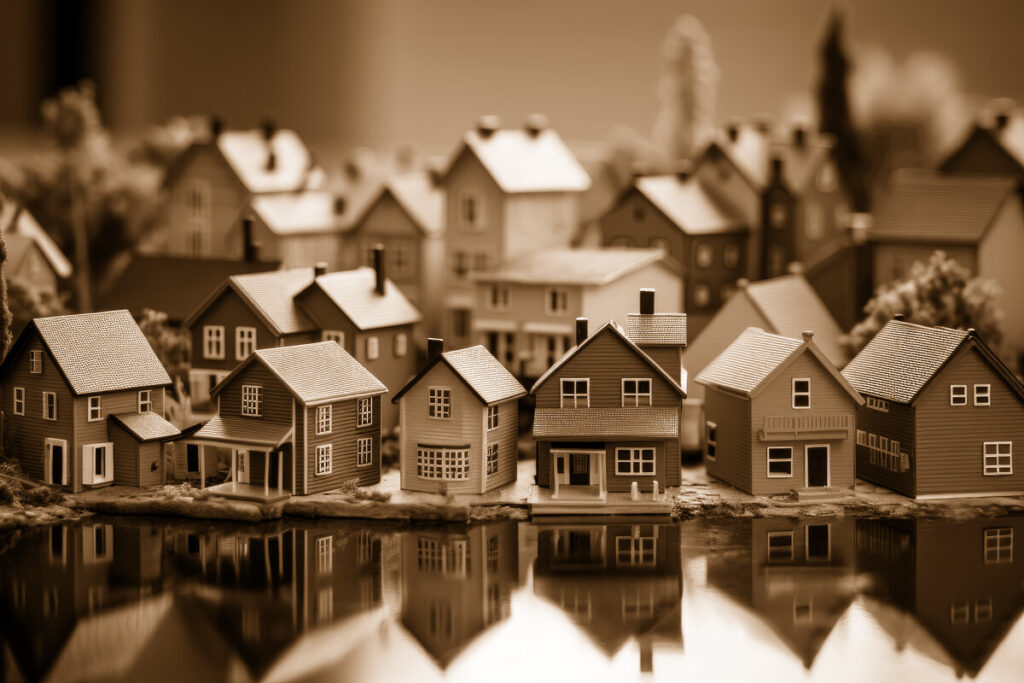
Nestled in western Grand Prairie, just off NW 19th Street and south of W Main, the New Castle neighborhood weaves together a history as rich and welcoming as its tree-lined streets. While often overshadowed by larger suburban developments, New Castle has maintained a strong sense of place, shaped by the rooted families and evolving stories that define its unique character.
The Origins of New Castle
The true beginning of New Castle dates back to the post-war boom of the late 1950s and early 1960s. As Grand Prairie’s population swelled after World War II, the city found itself in need of new residential enclaves to accommodate both returning veterans and young families seeking opportunity near the growing defense and aviation industries. Developers eyed farmland west of the city center—a practical location with easy access to State Highway 161 and the bustling heart of town.
The name "New Castle" was fittingly chosen, likely inspired by the trend of naming new subdivisions after hopeful or distinguished places. Legend has it the developers wanted to capture both a sense of freshness (“New”) and the enduring stability of the word “Castle.” Neighbors still like to say that, here, every house is a castle in its own right.
Neighborhood Landmarks and Institutions
From the beginning, New Castle was designed as a family-friendly, close-knit community. Grand Prairie ISD’s Eisenhower Elementary, sitting nearby on Lisa Lane, swiftly became a hub for young learners and families. Over the decades, the school has reflected the spirit of New Castle’s changing population, welcoming generations of residents through its cheerful halls.
The green heart of the neighborhood, Castle Park, is a testament to community togetherness. Marked by shade trees, winding sidewalks, and a classic children’s play structure, Castle Park has long served as a gathering place for block parties, holiday egg hunts, and birthday celebrations. Across the neighborhood, wide streets like Newcastle Drive and Oxford Lane provide a safe backdrop for strolls and bike rides, their names a nod to the original ambition behind this “castle” community.
Key Historical Milestones
- 1960s: Foundations Laid – The first homes went up in the early 1960s, reflecting the modest ranch styles popular at the time, each with generous yards ready for gardens or grilling.
- 1970s: A Growing Community – As the population grew, so did civic engagement. Residents founded the New Castle Neighborhood Association, one of Grand Prairie’s earliest organized groups of its kind, giving locals a voice in city matters.
- 1980s: Challenges and Renewal – Like much of Grand Prairie, New Castle faced challenges with the economic downturn, but neighbors banded together to repair, repaint, and reinvest in their homes and shared spaces.
- 2000s and Beyond: Modernization – As young families and new arrivals discovered the area’s charm, the neighborhood saw a renaissance. Parks were renovated, older homes lovingly updated, and a new spirit infused the community.
Notable Buildings and Residents
Some of New Castle’s original brick homes—particularly along Newcastle Drive and near Castle Park—stand as quiet markers of the neighborhood’s mid-century roots. You’ll find several houses lovingly maintained by the same families who moved in during the ‘60s, with additions that tell of children and grandchildren reuniting under one roof.
Not far from the neighborhood, the historic Grand Prairie AirHogs Stadium and Uptown Theater offer reminders of how this westward edge of the city has long pulsed with innovation and entertainment. Residents are equally likely to recall neighborhood luminaries—like Mrs. Doris Hawkins, who co-founded the community’s annual July Fourth Picnic, or Coach Jim Martinez, who mentored generations of local youth—whose legacies live on in lively stories and photo albums.
Evolution and Enduring Spirit
Though New Castle has experienced many changes, its roots remain strong. Today’s neighborhood offers a fascinating blend of old and new. Older residents, some in the same homes they raised their children in, swap stories with recent arrivals drawn by the welcoming atmosphere and accessible location.
Multiple eras of renovation are visible along the streets—from vintage wrought-iron fencing and lush magnolia trees to modern fences and solar panels—creating an appealing patchwork that feels authentically “lived in.” Community events, such as the annual Spring Clean-Up or December’s Parade of Homes, carry traditions forward, ensuring each generation feels invested in New Castle’s continued success.
Young families picnic in Castle Park where, decades ago, their grandparents once attended cake walks. Neighbors wave across driveways, and front porch conversations stretch long into cool Texas evenings. Despite the city’s rapid growth, New Castle’s identity as a proud, close-knit neighborhood persists, echoing the founders’ vision of every home as a new castle.
Why New Castle Remains Special
Ask any longtime resident, and they’ll tell you—what makes New Castle special isn’t just its convenient access to highways or its sturdy brick homes. It’s the sense of belonging, the way new and old residents alike take pride in keeping streets tidy, looking out for one another, and preserving traditions while embracing progress.
In New Castle, history isn’t just found in the architecture or archives—it’s alive in the friendships, gatherings, and shared care that turn houses into homes and neighbors into family.
If you ever wander west from downtown Grand Prairie and find yourself on a quiet street with kids playing tag, blooming crape myrtles, and the distant laughter from Castle Park, you’ll know you have arrived in one of Grand Prairie’s enduring treasures: New Castle.